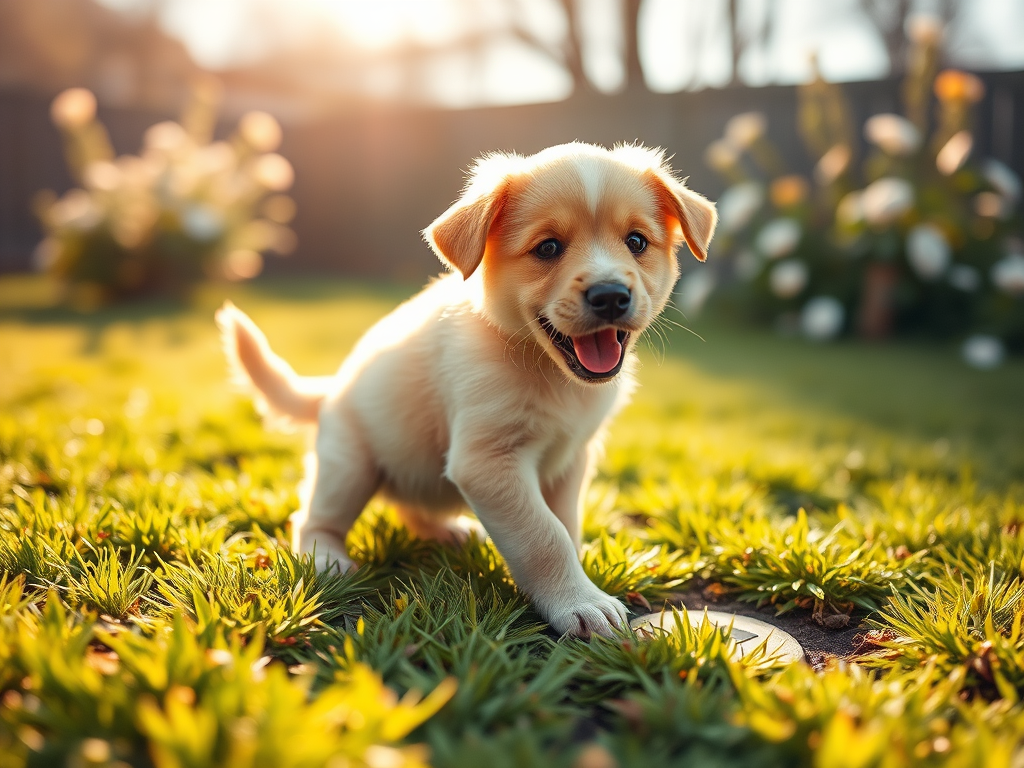
A Simple Step-by-Step Guide for New Owners
Potty training is one of the first major challenges new puppy owners face.
Accidents feel frustrating.
Progress feels slow.
Consistency feels exhausting.
But here’s the truth:
Most potty training problems aren’t about stubborn puppies.
They’re about inconsistent schedules.
When you follow a predictable routine, puppies learn much faster.
Let’s build one.
How Long Does Potty Training Take?
Most puppies take:
• 2–4 weeks for basic understanding
• 2–3 months for full reliability
Age, breed, and consistency matter.
The younger the puppy, the more frequent the bathroom breaks.
If you’re brand new to puppy life, you may also want to review your complete setup checklist. (Internal link to: New Puppy Owner Checklist)
The Golden Rule of Potty Training
Take your puppy out:
• After waking up
• After eating
• After playing
• Before bedtime
• Every 1–2 hours in between
Predictability creates progress.
Sample Puppy Potty Training Schedule
Morning
6:30 AM – Outside immediately after waking
7:00 AM – Breakfast
7:15 AM – Outside again
Mid-Morning
9:00 AM – Outside
11:00 AM – Outside
Afternoon
12:00 PM – Lunch
12:15 PM – Outside
2:00 PM – Outside
Evening
5:30 PM – Dinner
5:45 PM – Outside
8:00 PM – Outside
Before Bed
10:00 PM – Final bathroom trip
Young puppies may need even more frequent breaks.
Step-by-Step Potty Training Method
1️⃣ Always Use the Same Spot
The scent helps trigger the behavior.
Consistency speeds learning.
2️⃣ Use a Calm Cue Word
Choose something simple like:
“Go potty”
Say it calmly while your puppy sniffs.
3️⃣ Reward Immediately
The second your puppy finishes:
Praise calmly.
Offer a small reward.
Timing matters.
If timing is inconsistent, progress slows — just like with other training mistakes. (Internal link to: 10 Common Dog Training Mistakes)
4️⃣ Supervise Indoors
When not in a crate or playpen:
Supervise closely.
Watch for signs like:
• Sniffing
• Circling
• Sudden stillness
Interrupt gently and take them outside.
5️⃣ Don’t Punish Accidents
Yelling creates fear.
Fear slows learning.
Instead:
Clean thoroughly.
Adjust your schedule.
Increase supervision.
If your puppy is also biting or overly excited during the day, structured impulse control helps across the board. (Internal link to: How to Stop Puppy Biting and Nipping)
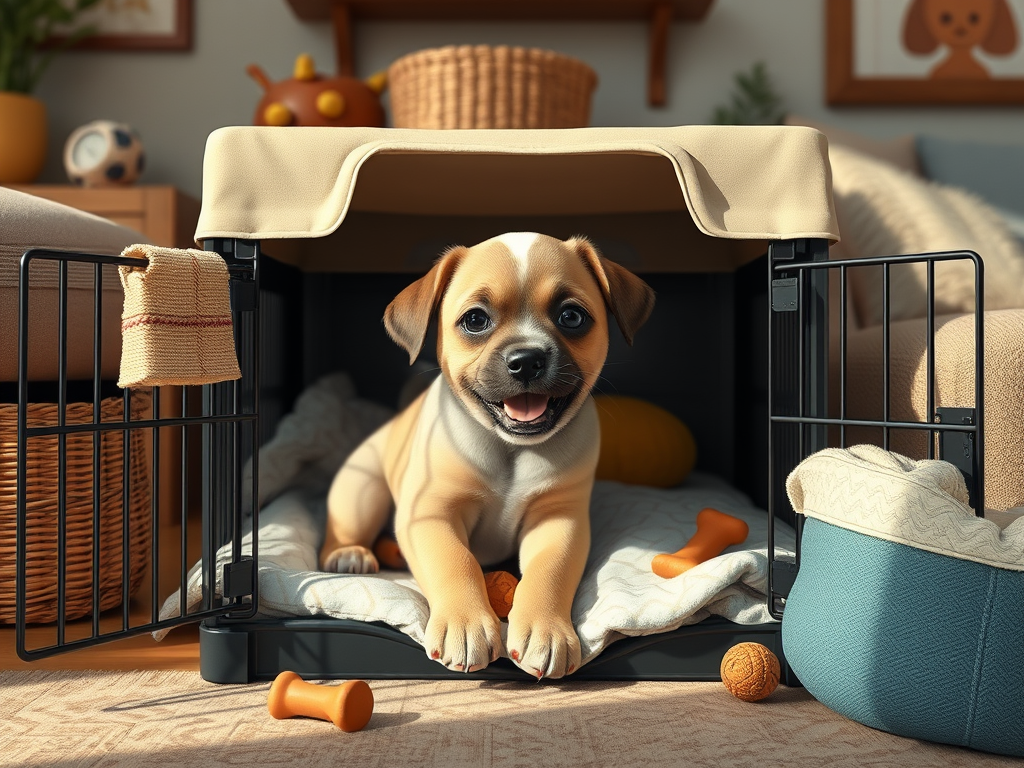
Crate Training and Potty Training
Crates help because:
Dogs avoid soiling their sleeping area.
But crates are tools — not solutions.
Combine crate use with a structured schedule.
If you’re unsure how to structure daily sessions overall, review: How to Train Your Dog at Home
Signs Your Puppy Is Learning
• Fewer accidents
• Waiting by the door
• Whining to go outside
• Holding bladder longer
Progress builds quickly when routine is consistent.
Stay Organized During Potty Training
Potty training fails most often because schedules aren’t tracked.
When feeding, play, naps, and bathroom trips are random, accidents increase.
Our free New Pet Success Planner includes:
✔ Puppy routine trackers
✔ Feeding schedules
✔ Training logs
✔ Vet visit records
✔ Daily planning sheets
Structure makes potty training dramatically easier.
Want a Clear, Step-by-Step Training Framework?
If you’d like deeper guidance on building obedience foundations, calm leadership, and preventing behavior problems early, this free dog training workshop walks through professional at-home training methods in a simple, beginner-friendly format.
It’s especially helpful for new puppy owners who want to build good habits from day one.
Final Thoughts
Potty training isn’t about luck.
It’s about:
Consistency
Timing
Routine
When your puppy knows what to expect, accidents decrease quickly.
Stay patient.
Stay structured.
Track your routine.
You’ll see steady improvement.


2 responses to “Puppy Potty Training Schedule”
[…] If your puppy is still struggling with potty accidents, crate structure can accelerate learning. (See: Puppy Potty Training Schedule) […]
[…] in the early training phase, make sure potty training and crate foundations are solid first. (See: Puppy Potty Training Schedule and Crate Training a […]