Without Yelling
If you just brought home a puppy, you’ve probably asked yourself:
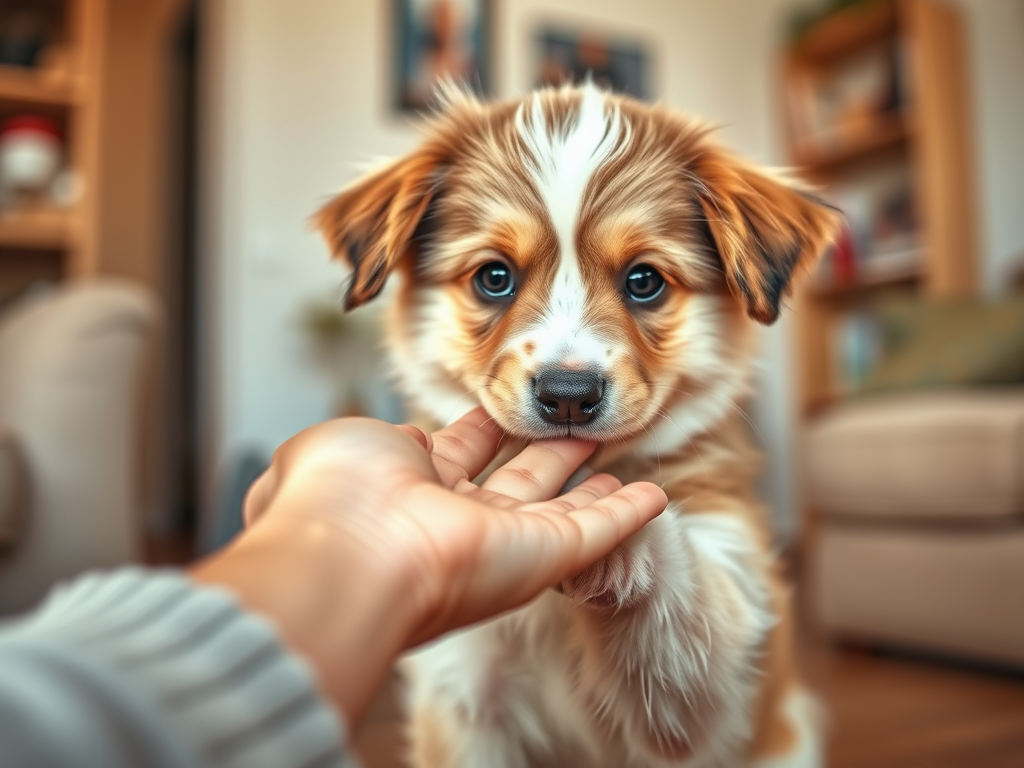
“Why is my puppy biting me constantly?”
Puppy biting is normal.
But that doesn’t make it pleasant.
Nipping hands, grabbing clothes, and lunging during play can quickly become frustrating — especially for first-time owners.
The good news?
Puppy biting is fixable when you respond correctly and consistently.
Let’s break it down.
Why Puppies Bite in the First Place
Puppies bite because:
• They explore with their mouths
• They are teething
• They get overstimulated
• They haven’t learned bite inhibition
• They lack impulse control
Biting isn’t aggression.
It’s communication and immature behavior.
The key is teaching your puppy what to do instead.
The Biggest Mistake New Owners Make
Many people respond to biting by:
• Yelling
• Pulling their hands away quickly
• Pushing the puppy
• Engaging in rough play
This often increases excitement — which increases biting.
If you’ve already seen how common training mistakes slow progress, you may recognize inconsistency as a major issue. (See: 10 Common Dog Training Mistakes)
Puppies need calm correction and structure.
Step 1: Stop Movement Immediately
When your puppy bites:
Freeze.
Don’t yank your hand away.
Stay still and calm.
This removes the fun from the behavior.
If they continue, calmly stand up and disengage for 20–30 seconds.
You are teaching:
Biting = play stops.
Step 2: Redirect to a Toy
Always have a chew toy nearby.
If your puppy starts nipping:
Calmly redirect their mouth to the toy.
Reward them when they chew the toy instead of you.
Consistency here builds new patterns quickly.
Step 3: Teach Basic Impulse Control
Many biting issues are impulse control issues.
Start practicing:
• Sit before play
• Sit before meals
• Sit before going outside
Structured daily training builds calm behavior over time.
If you’re unsure how to structure short daily sessions, review: How to Calm a Hyper dog Naturally
Step 4: Manage Energy Levels
Overtired puppies bite more.
Overstimulated puppies bite more.
Schedule:
• Short play sessions
• Nap times
• Calm walks
If your puppy also pulls during walks, structured leash practice helps reduce overstimulation. (See: How to Stop Leash Pulling Without Yelling)
Step 5: Stay Calm and Consistent
This phase is temporary — but only if handled correctly.
If you yell sometimes and laugh other times, biting continues.
Puppies improve fastest with:
Clarity
Repetition
Calm leadership
If hyperactivity is contributing to nipping, you may also want to read: How to Calm a Hyper Dog Naturally
When Should You Be Concerned?
Normal puppy biting:
• Is playful
• Happens during excitement
• Reduces with redirection
Concerning behavior:
• Growling with stiffness
• Guarding resources
• Snapping without warning
If biting escalates or feels aggressive, professional guidance may help.
Stay Organized During the Puppy Phase
The early months can feel chaotic.
Tracking routines, training sessions, feeding schedules, and vet visits makes a huge difference.
Our free New Pet Success Planner includes:
✔ Puppy routine trackers
✔ Training logs
✔ Feeding planners
✔ Vet visit logs
✔ Grooming reminders
Structure makes puppy training easier and less stressful.
Want a Clear, Step-by-Step Training Framework?
If you’d like a deeper breakdown of obedience foundations and calm leadership during the puppy stage, this free dog training workshop explains professional at-home training methods in a beginner-friendly way.
It’s especially helpful if biting, hyper behavior, or disobedience feels overwhelming.
Final Thoughts
Puppy biting isn’t bad behavior.
It’s immature behavior.
With:
Consistency
Calm correction
Clear structure
Most puppies improve dramatically within weeks.
Stay patient.
Stay structured.
Stay calm.
You’re building the foundation for long-term obedience.