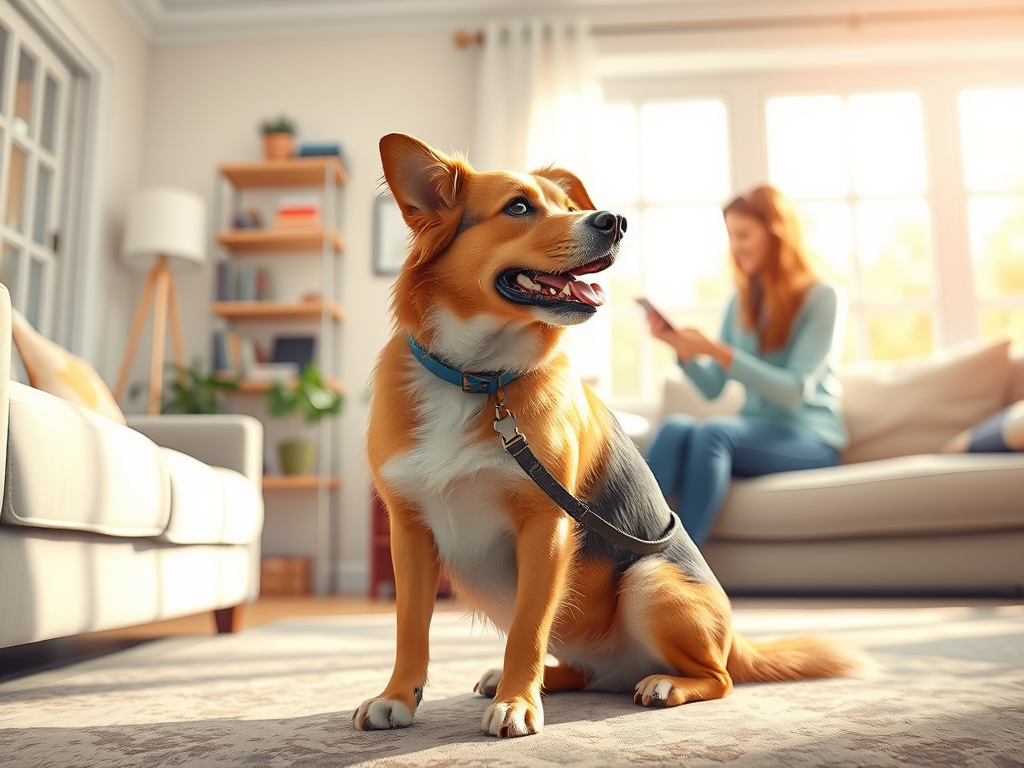
(And How to Fix Them)
If your dog isn’t listening, pulling on walks, barking excessively, or ignoring commands, it might not be stubbornness.
It might be a training mistake.
The truth is, most dog behavior problems aren’t caused by “bad dogs.”
They’re caused by inconsistent methods, unclear communication, or a lack of structure.
The good news?
Most training mistakes are easy to fix once you recognize them.
Let’s break down the most common dog training mistakes — and what to do instead.
1️⃣ Inconsistency
If your dog is allowed on the couch one day and scolded for it the next, confusion follows.
Dogs thrive on clear, predictable rules.
Fix:
Set boundaries and stick to them. Everyone in the household must follow the same expectations.
2️⃣ Repeating Commands Over and Over
“Sit. Sit. Sit. Sit.”
When you repeat commands without follow-through, your dog learns the first one doesn’t matter.
Fix:
Give the command once. If there’s no response, calmly guide the behavior and reinforce it immediately.
3️⃣ Yelling Instead of Training
Raising your voice often increases excitement or anxiety.
It rarely improves obedience.
Fix:
Use calm, firm tones. Dogs respond to clarity — not volume.
4️⃣ Only Correcting Bad Behavior
Many owners only respond when something goes wrong.
Training should be proactive — not reactive.
Fix:
Practice obedience daily in calm settings before expecting results in high-distraction environments.
5️⃣ Poor Timing
Dogs connect actions to consequences instantly.
If you reward or correct too late, the lesson is lost.
Fix:
Mark desired behavior immediately with praise or a reward.
6️⃣ Expecting Instant Results
Training is repetition — not magic.
Progress takes time and consistency.
Fix:
Break skills into small steps. Celebrate improvement, not perfection.
7️⃣ Lack of Mental Stimulation
A bored dog often becomes a noisy, destructive, or hyperactive dog.
Excess barking and leash pulling frequently stem from under-stimulation.
Fix:
Add short daily training sessions, puzzle toys, and structured walks.
8️⃣ Inconsistent Walking Structure
Allowing leash pulling sometimes and correcting it other times creates confusion.
Fix:
Establish clear walking rules and enforce them every time.
9️⃣ Using Treats as Bribes
If your dog only listens when food is visible, the foundation isn’t strong.
Fix:
Use treats strategically, then gradually fade them while maintaining leadership and structure.
🔟 No Clear Training Plan
This is the biggest mistake.
Random corrections don’t create lasting obedience.
Dogs improve fastest when training follows a consistent framework.
Without structure, progress stalls.
Build a Clear Training Plan
Many behavior problems happen because there’s no consistent routine.
If you’re juggling feeding schedules, grooming, vet visits, and training sessions, staying organized makes a major difference.
Our free New Pet Success Planner helps you stay consistent with:
✔ Training trackers
✔ Daily routine planners
✔ Health logs
✔ Feeding schedules
✔ Grooming reminders
👉 Download the Free New Pet Success Planner Here
Structure builds clarity.
Clarity builds obedience.
Want More Structured Guidance?
If you’d like a deeper, step-by-step breakdown of calm leadership and obedience training, check out this free online dog training workshop. It explains professional at-home training methods clearly. The workshop is beginner-friendly.
It’s especially helpful if you feel like you’re trying hard but not seeing consistent results.
👉 Watch the Free Training Workshop
Final Thoughts
Most dog training issues aren’t about stubborn dogs.
They’re about inconsistent systems.
Fix the structure.
Stay calm.
Be consistent.
Small improvements compound quickly when your training has clarity.





One response to “10 Common Dog Training Mistakes”
[…] If you’ve already seen how common training mistakes slow progress, you may recognize inconsistency as a major issue. (See: 10 Common Dog Training Mistakes) […]